
CRE RESPOND delivers intensive population pharmacokinetics training for antimicrobial stewardship in China
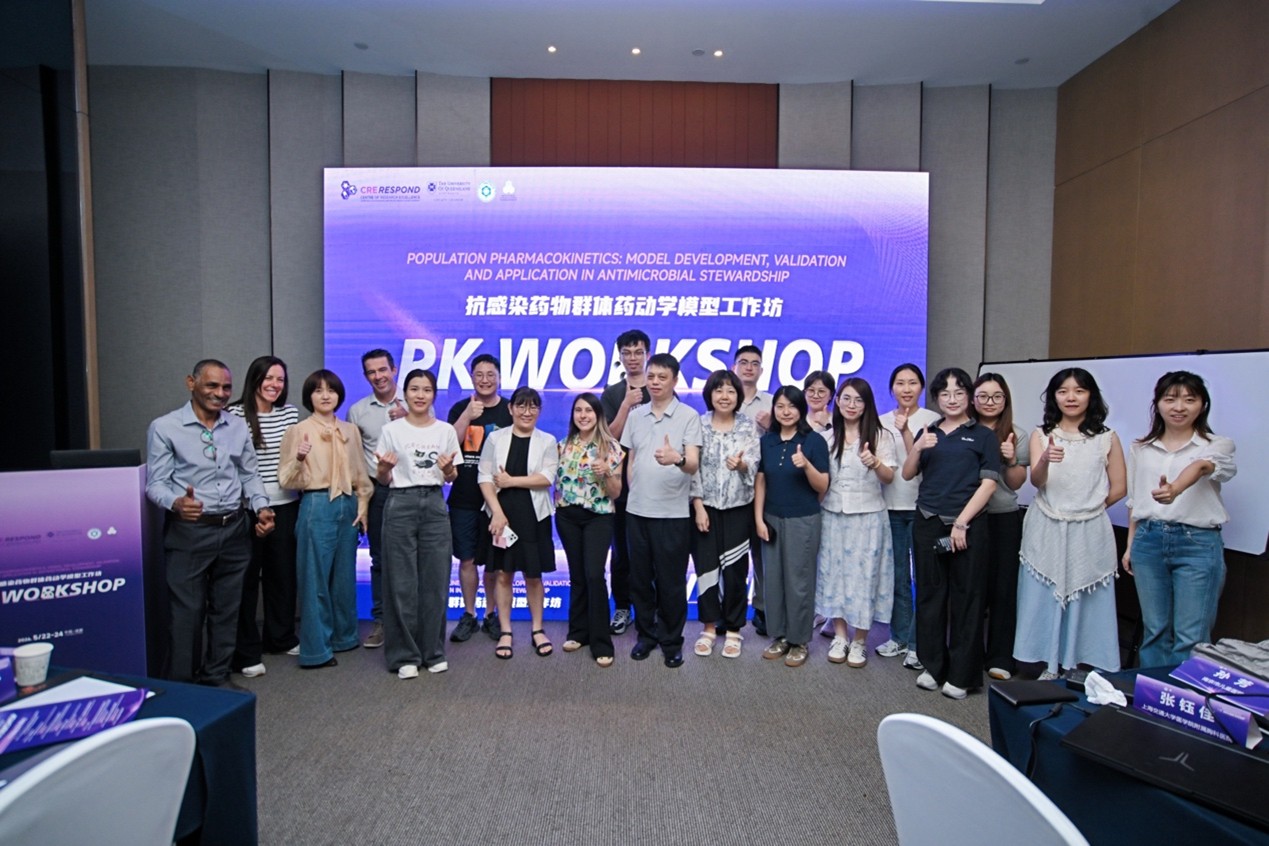
A team from CRE RESPOND, based at The University of Queensland, Australia, successfully convened the PK Workshop on Population Pharmacokinetics: Model Development, Validation and Application in Antimicrobial Stewardship from 22–24 May 2026 in Chengdu, China. The three-day intensive program brought together national and international experts in pharmacokinetics and antimicrobial stewardship to deliver comprehensive training across foundational concepts, hands-on model development, model validation, and clinical application.
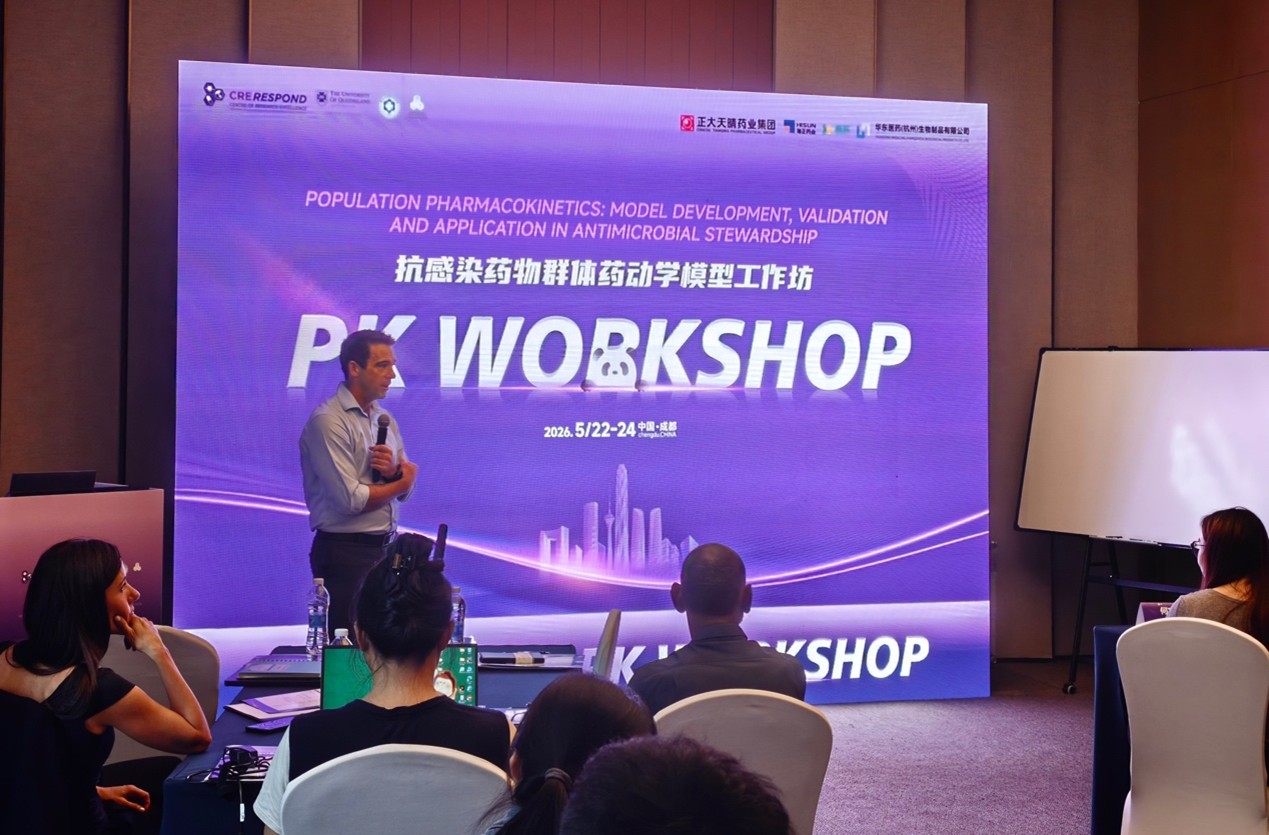 The workshop was delivered by an expert faculty of five lecturers with complementary expertise across population pharmacokinetics, infectious diseases, and antimicrobial stewardship: Professor Jason Roberts, Dr Patty Mitre, Dr Xin Liu, and Dr Mohd Hafiz Abdul-Aziz, all from The University of Queensland, Australia, and Dr María Núñez-Núñez from Hospital Universitario de Granada, Spain. Professor Jason Roberts opened the workshop and anchored the program. Dr María Núñez-Núñez led key sessions on antimicrobial stewardship principles and their role in optimising antibiotic exposure. Dr Patty Mitre guided participants through core pharmacokinetic concepts, dataset building, model file structures, the complete workflow of model development using Monolix, model validation, and Monte Carlo simulations. Dr Xin Liu demonstrated the workflow for performing Monte Carlo simulations using Simulx. Dr Mohd Hafiz Abdul-Aziz contributed essential lectures bridging antimicrobial stewardship, PK/PD, and population pharmacokinetics. Dr Jiao Xie and Dr Bin Lin served as local co-organisers and led the coordination of the workshop in China.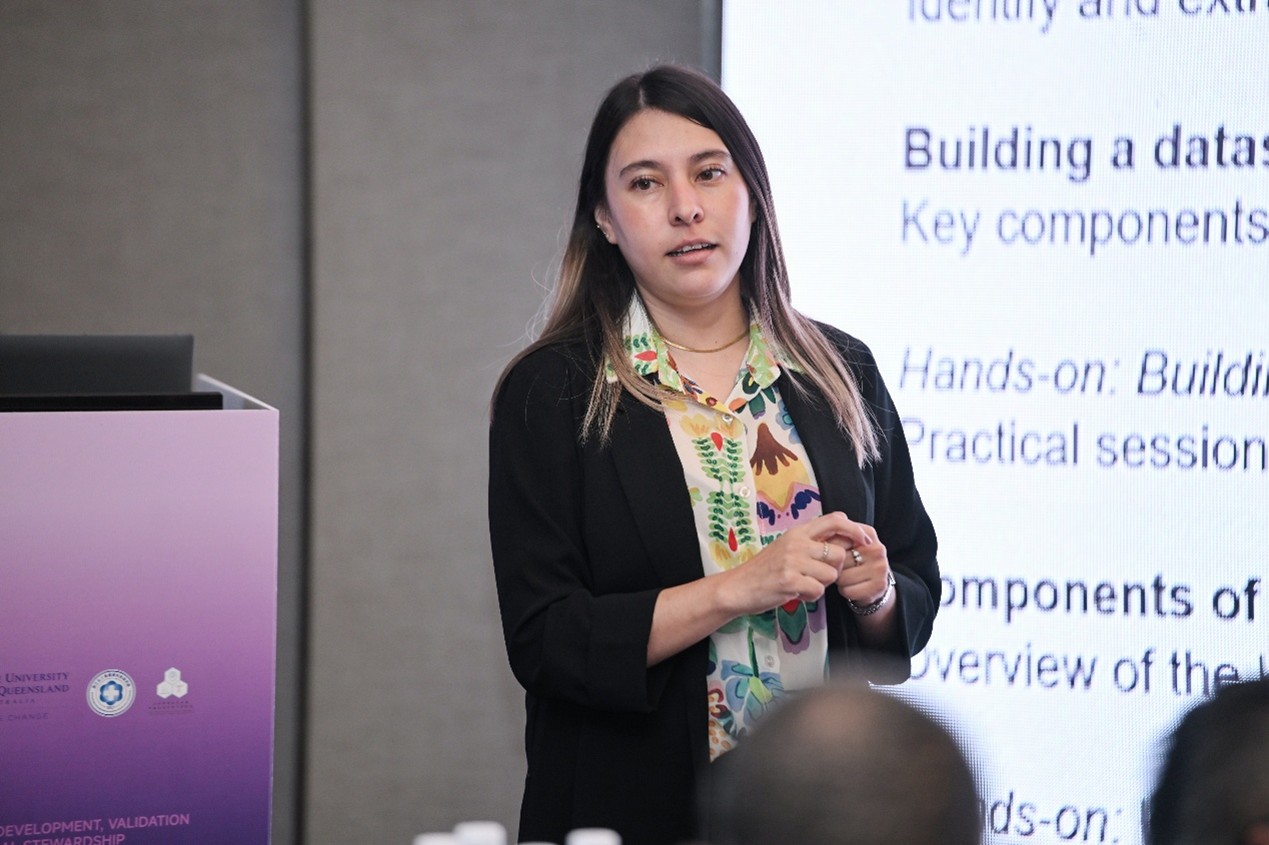
The program was structured across three progressive days. Day 1 established the foundations, covering why antimicrobial stewardship matters, core principles, and essential pharmacokinetic concepts, including absorption, distribution, metabolism, and excretion, before introducing compartmental models and parameterisation. Day 2 focused on population pharmacokinetic model development, with practical sessions on data extraction from published literature, building structured datasets, writing model files, and developing a basic population pharmacokinetic model in Monolix. Day 3 advanced to model validation techniques, including goodness-of-fit diagnostics, visual predictive checks, bootstrapping, and external validation, followed by Monte Carlo simulations for dosing optimisation and target attainment analysis. The program concluded with a critical review of a published population pharmacokinetics paper, reinforcing best practice in model evaluation and application.
 A distinctive strength of the workshop was its emphasis on practical, hands-on learning. Participants actively extracted data, constructed datasets, wrote model code, and built population pharmacokinetic models under direct faculty supervision, ensuring that theoretical knowledge was immediately translated into practical skills.
CRE RESPOND brings together a targeted network of researchers and clinicians working to improve antimicrobial dosing decisions through model-informed precision dosing. This workshop helped strengthen participants’ capacity to develop and apply population pharmacokinetic modelling in therapeutic drug monitoring and antimicrobial stewardship programs, with the broader aim of reducing the burden of suboptimal antimicrobial exposure for patients and the healthcare system. 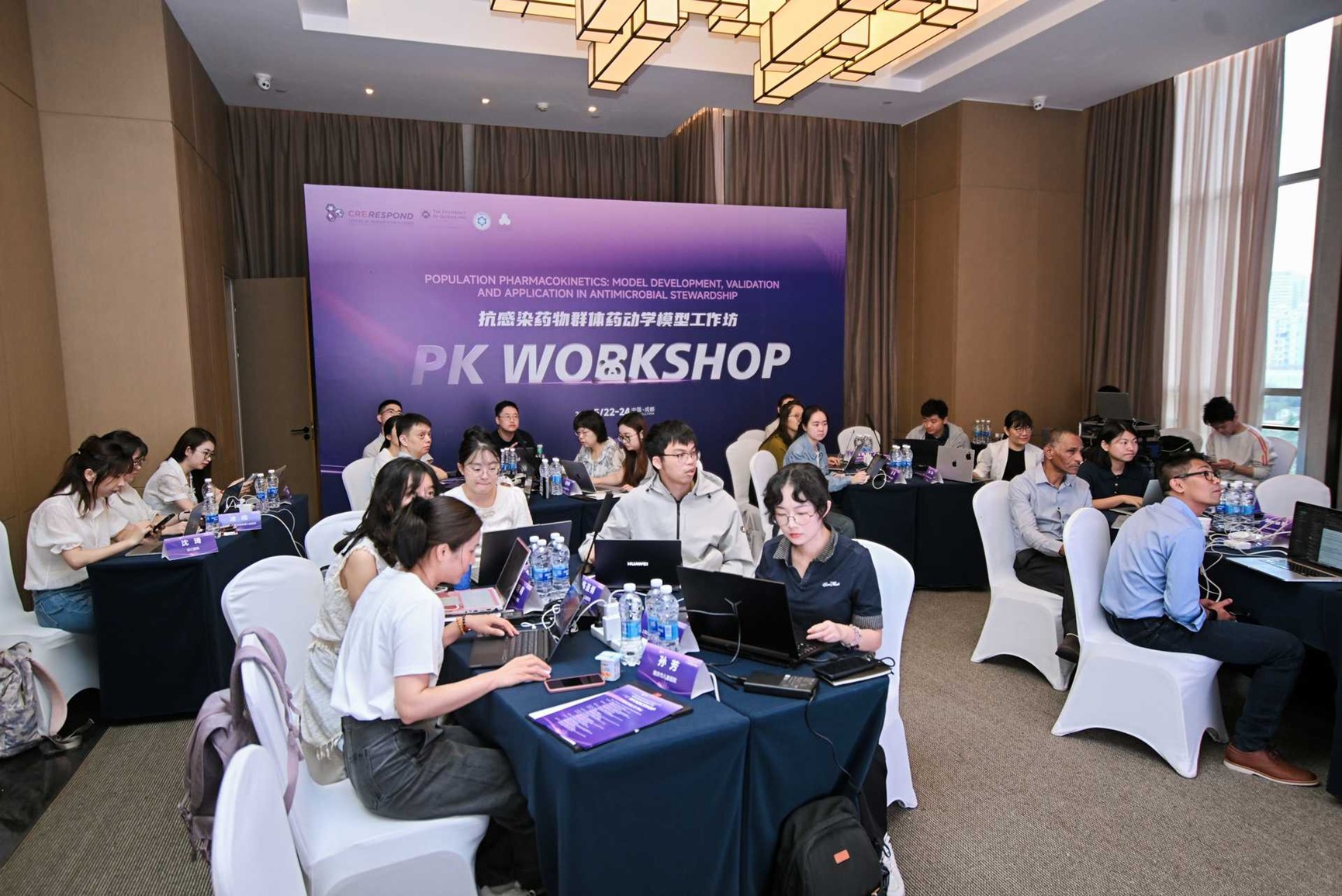
A sincere thank you to everyone who attended. Special appreciation goes to our dedicated faculty for their outstanding contribution, to the local organising team for their seamless coordination, and to all participants for their enthusiastic engagement throughout this intensive three-day workshop.
If you’re looking to build your skills, our Brisbane PopPK workshop in July still has availability:


